
What to Expect During the Fire Restoration Process
Fire restoration professionals help restore your property by assessing damage, cleaning soot and smoke, removing debris, and repairing structural damage to restore safety and comfort.
Understanding what to expect during the fire restoration process can help property owners feel more prepared and confident in managing the aftermath of a fire. This journey typically involves several key stages, including initial assessment, debris removal, soot and smoke cleaning, and structural repairs. Local contractors who specialize in fire restoration are equipped to guide property owners through each step, ensuring that the property is thoroughly cleaned and restored to a safe condition. Knowing the general flow of this process can also help owners coordinate with service providers and make informed decisions about their property’s recovery.
For those in the area exploring fire restoration options, recognizing what each phase entails can clarify the scope of work involved and highlight the importance of working with experienced service providers. Proper restoration not only addresses visible damage but also targets hidden issues like smoke residue and structural compromises that can impact safety and property value. By understanding what to expect during the fire restoration process, property owners can better evaluate their options and connect with local contractors who have the expertise to handle the job effectively and efficiently.
- individuals may need this service after experiencing fire damage that requires extensive cleaning and repair, with local contractors assessing the full extent of the damage. - homeowners facing smoke and soot residue can rely on local service providers to perform thorough cleaning and deodorization to restore indoor air quality. - properties with structural damage from fire may require local pros to evaluate and perform necessary repairs to ensure safety and stability. - those dealing with water damage from firefighting efforts can expect local contractors to handle water extraction and drying processes as part of the restoration. - when fire damage has caused electrical or plumbing issues, local service providers can address these concerns as part of the comprehensive restoration process.
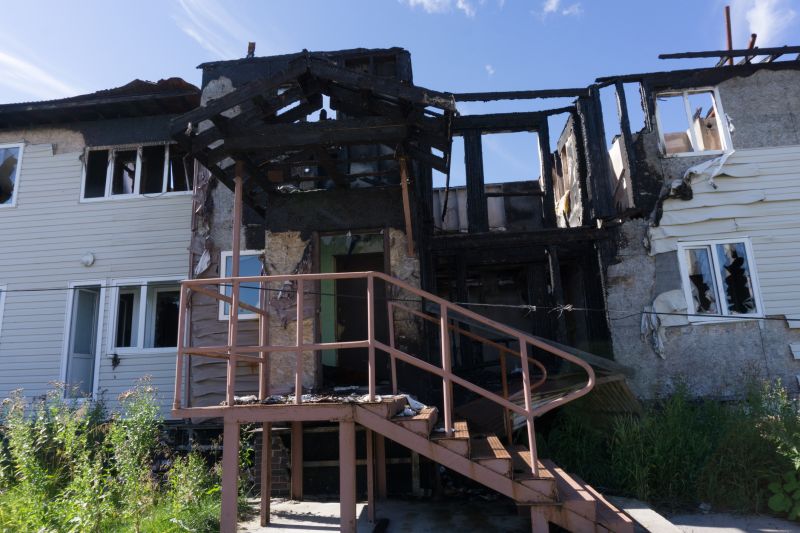
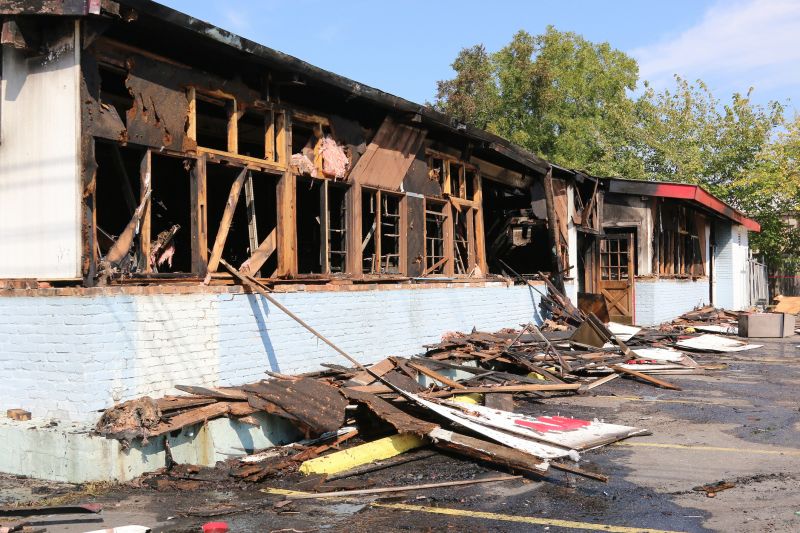
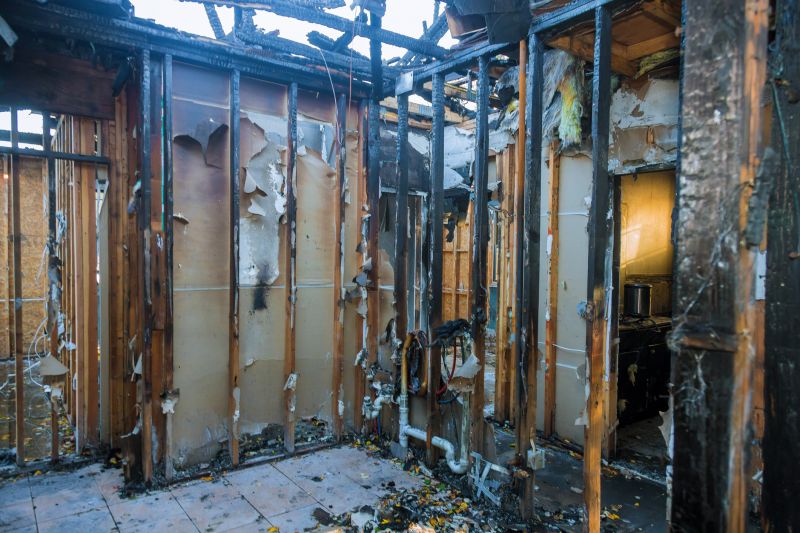
Understanding what to expect during the fire restoration process can help homeowners prepare for the steps involved after a fire incident. Typically, this process begins with an initial assessment where fire damage, smoke residue, and water used during firefighting efforts are evaluated. Local contractors specializing in fire restoration will often perform a thorough inspection to determine the extent of structural damage and identify areas needing cleaning, repair, or replacement. Homeowners should anticipate a multi-phase approach that addresses not only visible damage but also hidden issues like compromised insulation, electrical systems, or mold growth caused by water or smoke infiltration.
The fire restoration process often involves several key phases, including debris removal, cleaning, deodorization, and structural repairs. After the initial assessment, local service providers usually start by removing debris, damaged materials, and soot-covered surfaces. This is followed by detailed cleaning of affected areas using specialized equipment to eliminate smoke odors and residue that can linger long after the fire is extinguished. During this stage, homeowners can expect to see significant progress in restoring the home's appearance and safety, although some areas may require further repairs or replacements to ensure the property is fully restored.
Depending on the severity of the damage, the restoration process may also include repairing or replacing structural elements like drywall, flooring, and roofing. Local contractors often coordinate with homeowners to develop a plan that restores the property to its pre-fire condition. This may involve drywall installation, flooring replacement, and repainting, along with electrical and plumbing repairs if needed. Homeowners should be prepared for a series of scheduled work phases, each aimed at restoring the property's safety, functionality, and appearance. Service providers work to minimize disruption while ensuring that all repairs meet safety standards and local building codes.
The types of properties that typically undergo fire restoration vary widely, including single-family homes, multi-family residences, commercial buildings, and rental properties. Homes with extensive interior damage or structural compromise require comprehensive restoration efforts, while smaller or less-damaged properties may only need targeted cleaning and repairs. Local fire restoration service providers are equipped to handle different property types, adapting their techniques to the specific needs of each project. Understanding what to expect during the fire restoration process helps homeowners connect with experienced local contractors who can guide them through every stage, ensuring the property is safely and effectively restored to its original condition.
Smoke and Soot Cleanup - professionals skilled in removing smoke residues and soot from surfaces are essential during the fire restoration process to restore a safe and clean environment.
Structural Damage Assessment - local contractors evaluate and repair structural components affected by fire, ensuring the safety and integrity of the property.
Content Restoration - specialists focus on salvaging and restoring personal belongings and furnishings damaged by fire and smoke exposure.
Odor Removal Services - experts use specialized equipment to eliminate lingering fire and smoke odors that can persist after a fire incident.
Water Damage Restoration - since firefighting efforts often involve water, local service providers handle drying and water damage repairs as part of the overall restoration.
Electrical System Inspection - qualified technicians assess and repair electrical systems compromised during a fire to ensure safety and functionality.
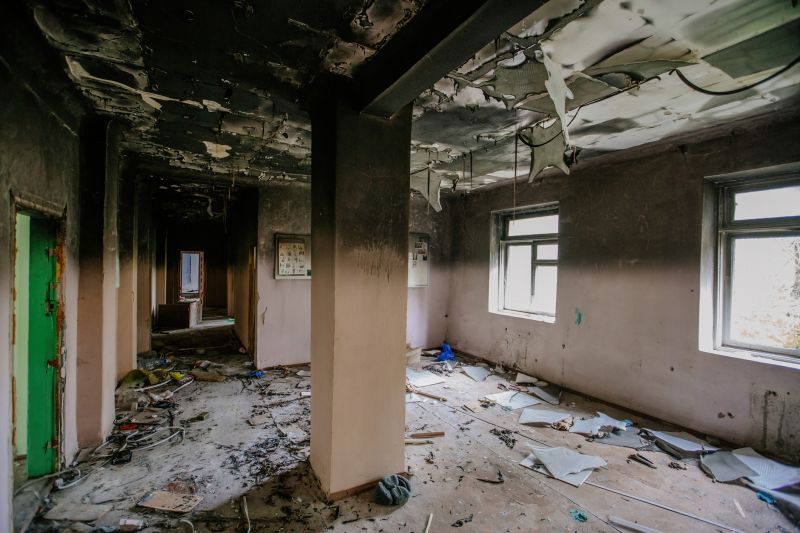
When evaluating fire restoration service providers, it’s important to consider their experience with similar projects. Homeowners should look for local contractors who have a proven track record of handling fire damage repairs, including cleaning, debris removal, and structural assessments. An experienced service provider will be familiar with the common challenges that arise during the fire restoration process and can provide insights into what to expect, helping to set realistic expectations for the scope and complexity of the work involved.
Clear, written expectations are essential when choosing a fire restoration contractor. Reputable service providers typically offer detailed estimates and scope of work descriptions that outline the steps involved, the types of services included, and any potential limitations. Having this information in writing helps ensure transparency and allows homeowners to understand exactly what services will be provided, reducing misunderstandings and making it easier to compare different local contractors based on the scope and clarity of their proposals.
Effective communication and reputable references are key factors to consider. Service providers who are responsive and willing to answer questions demonstrate professionalism and a commitment to customer service. Additionally, seeking references or reviews from previous clients who have experienced fire restoration work can offer valuable insights into the contractor’s reliability, quality of work, and ability to manage the process smoothly. Good communication and positive references can help homeowners feel confident in their choice of local pros to handle the complexities of the fire restoration process.
Property owners often search for what to expect during the fire restoration process when they are planning practical projects around their homes and businesses. Local pros provide Fire Restoration services for everyday jobs and straightforward project options.
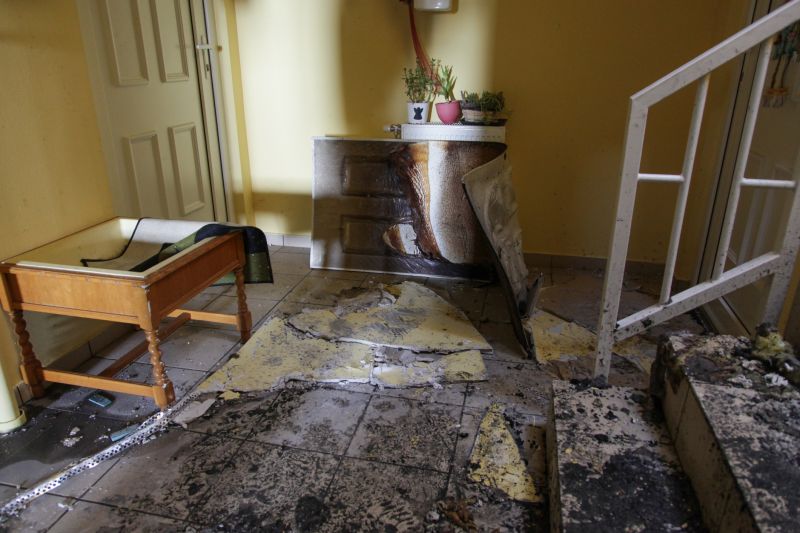
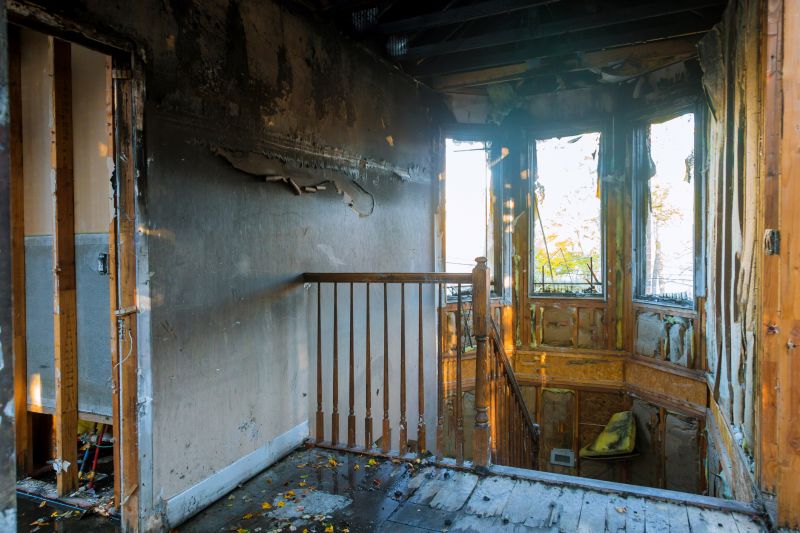
During the fire restoration process, property owners can typically expect a series of organized steps aimed at returning their space to a safe and livable condition. Once fire damage has been assessed, local contractors usually begin by securing the property to prevent further harm, such as weather or vandalism. This initial phase often involves removing debris, cleaning soot and smoke residues, and addressing any water damage caused by firefighting efforts. Homeowners or business owners might notice a temporary disruption as these preliminary steps are carried out, but they are essential for setting the stage for more detailed repairs and restorations.
As the process continues, property owners can anticipate more extensive work like structural repairs, cleaning, and odor removal. Local service providers typically work to restore walls, ceilings, and floors affected by fire and smoke, often using specialized equipment to eliminate lingering odors. During this phase, property owners might see contractors working inside and outside the building, coordinating repairs and cleaning efforts. While the process can involve some inconvenience, understanding what to expect during the fire restoration process can help property owners prepare for the necessary steps to fully recover and restore their property to its original condition.
What is the first step during the fire restoration process? Local contractors typically assess the extent of fire and smoke damage to determine the necessary cleanup and repair measures.
How do service providers handle smoke and soot removal? Fire restoration professionals use specialized equipment and cleaning techniques to effectively eliminate smoke odors and soot from affected areas.
What kind of structural repairs are involved in fire restoration? Local pros often perform necessary repairs to walls, ceilings, and flooring damaged by fire, ensuring the structure is safe and sound.
Will belongings need to be cleaned or replaced? Many personal items may require cleaning, restoration, or replacement depending on the level of damage and material type.
What is the typical process for restoring a home after a fire? The process usually involves assessment, cleaning, repairs, and deodorization, with service providers guiding through each stage to restore the property.
Initial assessment and inspection - Local contractors will evaluate the extent of fire and smoke damage to determine the necessary restoration steps for your property.
Content cleaning and deodorizing - Professionals use specialized techniques to clean soot from surfaces and eliminate lingering odors in affected areas.
Structural repairs and reconstruction - Restoration services often include repairing or replacing damaged framing, drywall, and other structural components to restore safety and stability.
Final cleaning and restoration - The process concludes with thorough cleaning and finishing touches to prepare the property for occupancy and ensure a safe environment.
If you are thinking about what to expect during the fire restoration process for a property, this guide is meant to help you understand this topic, the typical project types, and how different options might fit your plans.
When you are ready, you can use the quote form on this page to share a few details about your project. From there, local pros can review the basics and follow up with options that match what you have in mind.